Gains in the Shadows: Unveiling the Secrets of Underground Markets


In recent years, the dark web has captured the imagination of numerous individuals, becoming a topic of curiosity in both mainstream media and media narratives. Often portrayed as a hidden landscape filled with criminal enterprises, the dark network hosts a variety of commerce platforms that operate beyond the grasp of government control. These platforms provide a platform for trading goods and services that would typically be considered illegal, including narcotics and weapons to hacked information and forged money.
As we delve into the enigmatic world of darknet marketplaces, it is crucial to comprehend not only the essence of the transactions taking place but also the underlying systems that maintain them. Concealed behind layers of encryption and anonymity, these platforms thrive in the shadows, defying law enforcement and traditional businesses alike. By exploring the mechanics of these markets, we can begin to untangle the complex web of driving forces, hazards, and rewards that define the dark web's unique economy.
Understanding the Underground Web Framework
The deep web is a section of the web that is not indexed by traditional search platforms, thereby creating it a concealed domain for many users. This portion of the internet operates on special networks that require certain software, such as Tor, to garner. In this hidden environment, anonymity is paramount, allowing individuals to participate in activities that range from the benign to the criminal. The dark web serves as a platform for different goods and services, serving a varied audience seeking confidentiality and secrecy.
Within the deep web, markets flourish, offering all sorts from illegal drugs to hacked data and malicious services. These sites vary in complexity, with some operating like classic e-commerce sites, complete with user reviews and vendor ratings. The transactions typically utilize cryptocurrencies to further enhance anonymity and security for both purchasers and providers. This creates an setting where trust mechanisms are based largely on user engagements rather than formal regulations or oversight.
Another critical aspect of the dark web ecosystem is the function of discussion boards and networks. These platforms are frequently focused on exchanging information, insights, and tips related to dark web activities. Users can exchange knowledge about moving through markets, safety protocols, and maintaining anonymity. This linkage fosters a sense of community, making it easier for beginners to involve themselves and find their role while at the same time expanding the market's influence and influence.
Anatomy of Dark Web Marketplaces
Underground markets are hidden sites on the darknet where individuals can trade items and services, often involving unlawful activities. These platforms typically function using anonymity-preserving technologies like The Onion Router, which obscures users' identities and locations. Buyers and vendors participate through pseudonymous profiles, creating an environment that is both enticing and perilous. The deals are primarily executed using digital currencies to enhance secrecy and minimize the risk of tracking funds.
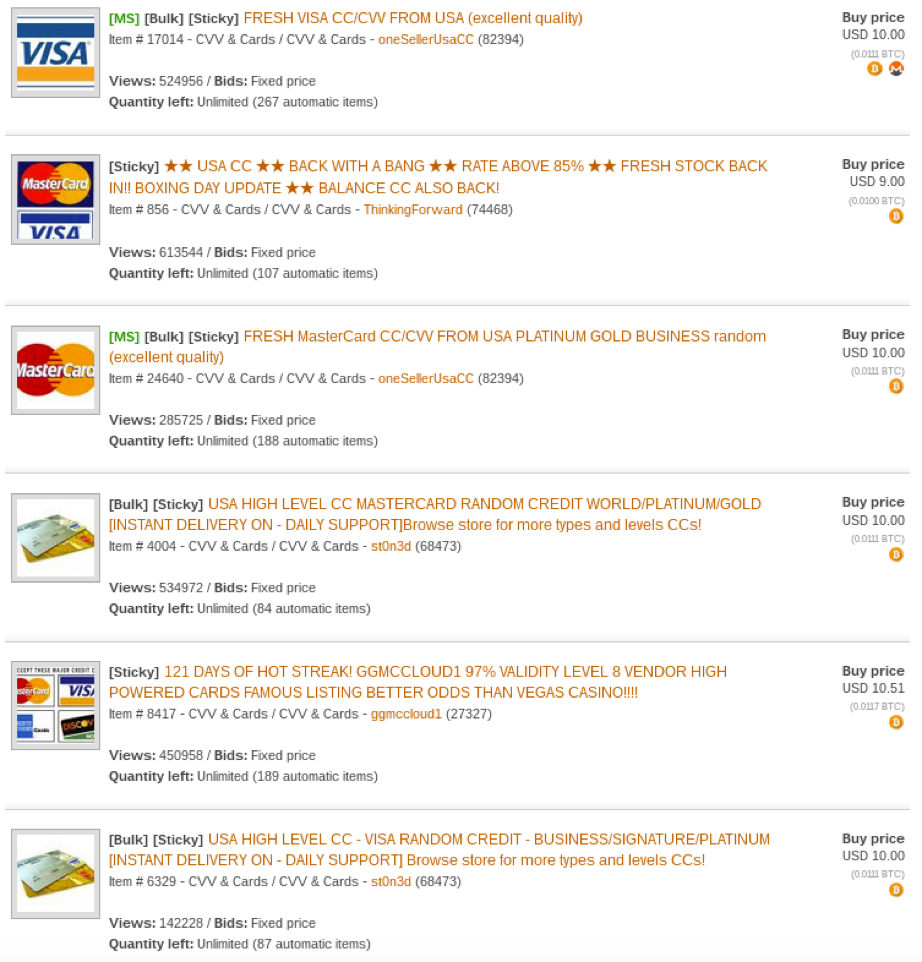
The structure of dark web markets usually resembles that of traditional online shopping sites, featuring sections for different offerings ranging from narcotics and forged documents to hacking services and stolen data. Each item listing often includes customer feedback, photos, and thorough descriptions. This level of consumer feedback fosters confidence within a community where reliability can often be elusive. Furthermore, many of these platforms offer escrow services that retain payments until buyers verify receipt of their orders, providing a layer of protection to the process.
The fluid character of underground markets is shaped by police efforts and internal market shifts. Some platforms may prosper for long periods before facing crackdowns or scams that cause them to fold. New competitors constantly appear, aiming to fill the gap created by fallen entities. Developments and adaptations within these markets keep users involved, as sellers find innovative ways to escape detection while catering to the unquenchable need for illicit items and services.
Dangers and Ethical Consequences
Engaging with darkweb platforms presents significant threats to individuals, both. The anonymity that these platforms provide can easily turn into a double-edged sword. Users face vulnerability to frauds, as many sellers may not fulfill promised products, leaving customers at risk to monetary loss. Furthermore, there is the persistent threat of authorities monitoring these platforms. Even darkmarket 2026 can lead to unforeseen legal consequences, putting individuals at risk of legal action, especially in jurisdictions with rigorous drug-related and trafficking laws.
In addition to individual risks, there are wider ethical consequences associated with deep web platforms. These markets often enable the exchange of illicit products and offerings, including drugs, firearms, and stolen data, contributing to a range of community harms. This not only threatens participants who participate but also impacts localities through higher criminal activity and public health issues. The ethical debate surrounding the deep web raises concerns about the balance between confidentiality, free speech, and the potential for damage, positioning these markets within a complex moral landscape.
Moreover, the deep web can serve as a haven for criminal activities, which raises significant challenges for law enforcement and policy makers. The secrecy provided by these platforms makes difficult the enforcement of laws designed to safeguard society from dangerous goods and services. As darkweb markets continue to change, the need for robust legislative frameworks and moral considerations becomes increasingly pressing, prompting ongoing discussions about how to tackle these challenges while upholding individual rights and liberties.